
The Story Behind the Object: Why Provenance Shapes Every Antique Appraisal
Chosen theme: The Importance Of Provenance In Antique Appraisals. Every cherished piece carries a paper trail, a memory, and a journey. When those threads are gathered with care, appraisals stop guessing and start telling the truth. Join our community, compare notes, and share your provenance wins and puzzles.
What Provenance Really Means
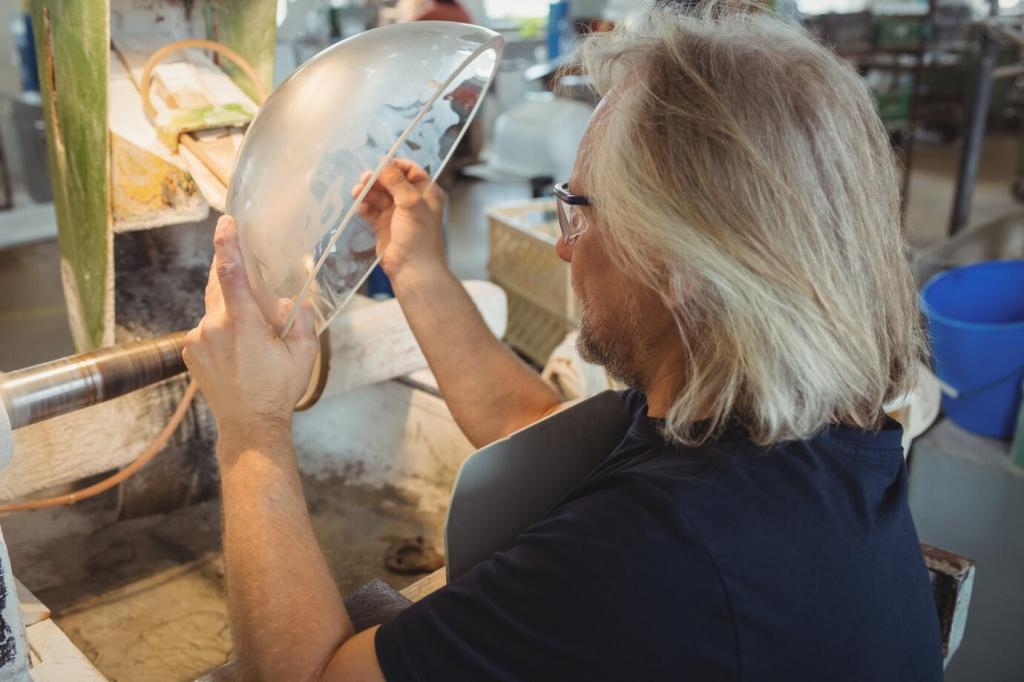
Provenance is more than a list of past owners; it is a chain of verifiable links that signals rarity, authenticity, and cultural meaning. When documentation aligns, appraisers can confidently attribute, date, and value. Share a time when a single document changed how you saw a family heirloom.
Building the Chain of Custody
Documents That Matter Most
Start with bills of sale, auction invoices, dealer letters, exhibition catalogs, museum loan agreements, wills, and insurance schedules. Add annotated photographs and correspondence. Even shipping labels and customs declarations can close inconvenient gaps. Subscribe for a downloadable checklist that keeps your provenance file complete and appraisal-ready.
Where to Research—and How
Search auction databases, local newspapers, city directories, artist foundations, dealer archives, and probate records. Visit reading rooms, email registrars, and scan digitized catalogs. Keep a research log with dates and sources. What resource surprised you most? Share your favorite archive so others can follow the trail you blazed.
A Scribble in Pencil That Changed Everything
On the back of a watercolor, a faint pencil note mentioned a summer exhibition in 1926. That clue led to a catalog entry, then to a dealer ledger naming the first buyer. Three links later, the appraisal doubled. Tell us about small annotations that led you to big discoveries.
Common Red Flags
Beware of suspiciously convenient receipts, mismatched typefaces, backdated stamps, or labels inconsistent with a maker’s period. Gaps exactly where they matter most deserve scrutiny. If multiple stories conflict, slow down. Have you encountered a dubious label or improbable tale? Share so others can learn what to question.
How Experts Verify
Appraisers triangulate dates, inks, watermarks, and letterheads; consult artist estates; verify auction lots; and compare handwriting with known samples. They analyze whether ownership plausibly intersects with time, place, and market. Keep every original, but provide scans. Curious about a document? Ask in the comments, and we will weigh potential next steps.
When a Wartime Tale Unraveled
A painting arrived with a dramatic evacuation story, yet the supposed shelter never operated that year. Train timetables, municipal logs, and a museum ledger disproved the route. The work remained appealing, but the appraisal corrected course. Share your own cautionary tales so our community can spot patterns early.
Restitution and Due Diligence
Items displaced by conflict or coercion require heightened scrutiny. Provenance from 1933–1945 in Europe, for example, triggers specific checks and sensitive conversations. Responsible collectors document thoroughly and respect claims. If you are navigating a difficult history, ask questions here; our readers can point to ethical research resources.
Export Rules and Cultural Heritage
Provenance supports lawful movement across borders. Export licenses, CITES permits, and country-of-origin restrictions can hinge on dates and prior ownership. Keep these documents with the object’s file. Tell us where you collect; we will compile a crowdsourced list of regulatory links for your region.
Transparency Builds Trust
Clear provenance reassures buyers, heirs, and institutions. Disclosing uncertainties invites collaborative research and protects reputations. When you publish a timeline and cite sources, your appraisal gains credibility. Share a summary of your object’s timeline in the comments, and we can suggest ways to strengthen it.
Organize and Preserve Digitally
Scan documents at high resolution, save as PDFs with searchable text, and name files consistently: date_source_description. Maintain a master spreadsheet linking files to entries. Store backups in two locations. Want our naming template? Subscribe and we will send a simple schema that appraisers love.
Can Blockchain Help?
Distributed ledgers can record transfers and timestamp documentation, but they do not replace traditional evidence or expert judgment. Think of blockchain as a durable log, not the proof itself. Considering a pilot? Ask below, and we will outline practical, low-cost ways to begin without hype.
Photographs, Condition, and Time Stamps
Take clear, dated images of labels, inscriptions, and condition details. Include context shots and close-ups. Add photographer, location, and equipment metadata. Over time, this record weaves into provenance. Post a photo checklist you use; we will feature reader-tested tips in our next update.
Assemble a Provenance Dossier
Create a concise binder or digital folder: cover page with summary timeline, followed by documents labeled and dated, then images, research notes, and contact details. Keep originals safe, share copies. Want our sample layout? Subscribe, and we will email a ready-to-use template.
Craft a Cohesive Narrative
Lead with facts, not flourishes. Tie each claim to a citation and avoid speculative leaps. A compelling narrative respects uncertainty while guiding the reader through evidence. Try writing your object’s story in five sentences and post it—our community will suggest precise, supportive edits.
Avoidable Mistakes
Do not staple originals, mix unrelated objects, or hide inconvenient gaps. Do not alter old documents; add clarifying notes separately. Date your research and sign your summaries. Share the pitfalls you have encountered, and we will build a living list of best practices together.