Antique Insurance: Protecting Your Valuables

Today’s chosen theme is Antique Insurance: Protecting Your Valuables. Discover how to safeguard heritage pieces with smart coverage, careful documentation, and a collector’s mindset—so your treasures’ stories continue long after trends and market cycles change.

Why Antique Insurance Matters

Balancing Sentimental Worth and Market Reality

A carved Victorian locket may be priceless to a family yet fluctuates in auction value. Antique insurance acknowledges both truths, transforming fragile memory into protected value through agreed coverage, thorough documentation, and claims support that respects history as much as dollars.

Risks Unique to Antiques

From sunlight fading rare textiles to humidity warping wooden clocks, antiques face threats modern goods shrug off. Add transit bumps, accidental knocks, or mysterious disappearance, and coverage tailored to these risks becomes the key to preserving authenticity and condition through time.

A Collector’s Wake-Up Call

When Elena’s Art Deco clock cracked during a move, her specialized antique policy funded expert restoration and value recovery. The claim validated meticulous appraisals and photos she kept—proof that preparation transforms a heart-sinking accident into a salvageable, even educational, moment.

Appraisals and Documentation That Stand Up

Your Provenance Dossier

Keep bills of sale, expert letters, provenance notes, and exhibition records together. Pair them with date-stamped photographs, serial numbers, and maker’s marks. Strong paperwork elevates claims, shortens negotiations, and helps insurers honor the agreed value your antiques truly deserve.

Choosing the Right Appraiser

Seek accredited professionals from respected organizations and ensure specialization matches your category—silver, militaria, ceramics, or fine art. The right expert understands construction techniques, condition grading, and comparables, producing valuations insurers trust and collectors can confidently rely on for years.

Refresh Valuations as Markets Shift

Trends rise and fall; a mid-century chair can double while a porcelain series stagnates. Review appraisals every two to three years, or after record-setting sales. Updated values prevent underinsurance and make sure your coverage mirrors the market you actively collect within.

Coverage Types That Truly Protect

Agreed value policies lock in a number before any loss occurs, avoiding depreciation debates later. Actual cash value often subtracts wear or market dips. For heirlooms and unique pieces, agreed value is usually the clearest path to fair, predictable outcomes.

Protecting at Home: Risk Reduction

Stabilize humidity around 45–55% and avoid rapid temperature swings. Filter UV light, rotate displays, and use archival materials. These conservation basics prevent cracking varnish, warped veneers, and faded dyes, keeping your antique insurance for worst-case scenarios rather than slow, silent deterioration.

Protecting at Home: Risk Reduction

Discreet sensors, monitored alarms, window locks, and motion-activated lighting deter opportunistic theft. Photograph room layouts and store serial numbers offsite. With layered security, you protect your antiques and strengthen any insurance claim by demonstrating diligent, responsible stewardship.

Claims Preparedness and Calm

Prioritize safety, stop further damage, and document the scene with wide shots and close-ups. Gather appraisals, receipts, and provenance files. Notify your insurer quickly and summarize events factually. Organized steps accelerate approval and keep the focus on restoring what truly matters.

Claims Preparedness and Calm

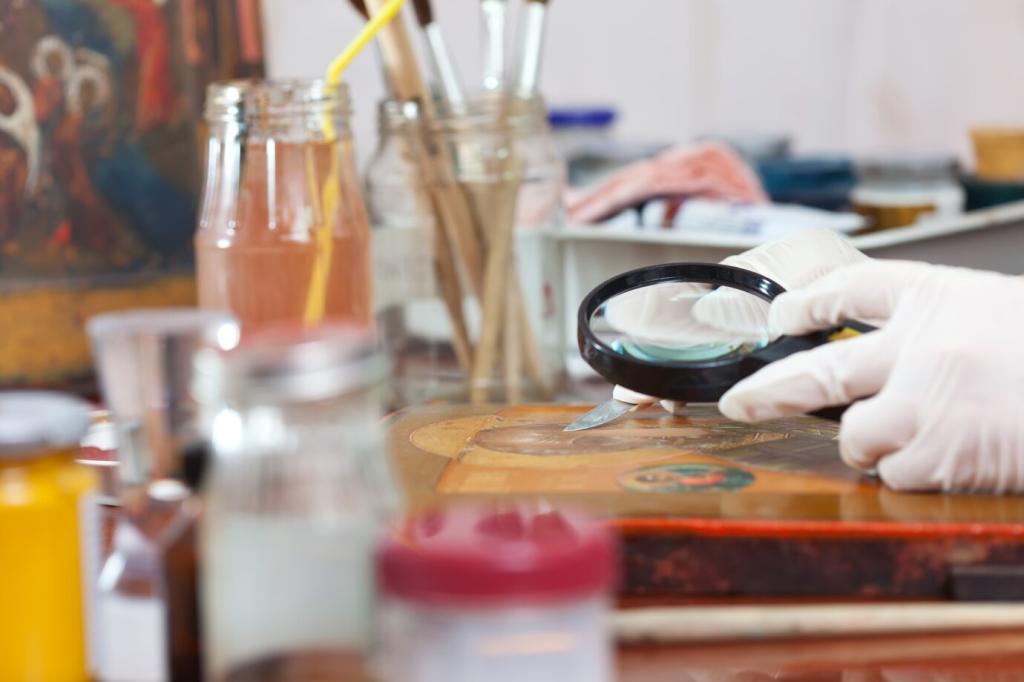
Ask your insurer about approved conservators and restoration labs. Proper triage stabilizes pieces before full treatment. The right expert respects period techniques, ensuring any intervention preserves value and meets policy expectations for authenticity and long-term integrity.

Loans, Exhibitions, and Estate Planning

Insist on loan agreements that clarify who insures what, with nail-to-nail coverage, condition reports, and packing protocols. These terms align your antique insurance with museum standards, ensuring safe transport and clear accountability throughout the exhibition’s lifecycle.
Experiago
Privacy Overview

This website uses cookies so that we can provide you with the best user experience possible. Cookie information is stored in your browser and performs functions such as recognising you when you return to our website and helping our team to understand which sections of the website you find most interesting and useful.